


I was surprised at how rarely the word “pain” was actually used in school, often replaced by words like “sensitivity” and “discomfort” and “tolerance”. Let me be clear: all hair removal methods are painful to some degree. I have personal experience in this area, and I suspect you do, too.
Machine
The first line of defense is a modern machine. My Apilus xCell machine operates at 27.12-MHz, which is twice the frequency as the previous generation that operated at 13.56-MHz. The increased frequency allows me to lower the intensity and duration to get the same effect which directly results in a “cooler” and more comfortable experience. I actually fell asleep the first time an electrologist used this machine one me, and I have had several clients fall asleep on my bed while I worked on them. Your results may vary.
Communication
While in school, I came to realize that some people simply refuse to openly admit they are experiencing pain, for whatever reason, and they just suffer through each session. Upon this realization, I immediately created a poster based on the common pain scale used in hospitals which allowed me to create an open dialogue with my clients to clearly determine their level of pain so I can adjust my method, speed, or parameters to improve the client comfort.

Many people tolerate the procedure just fine while others require some level of pain intervention. There is no shame in that.
Mitigation
The best way to address pain is to prioritize the areas that need to be treated and plan the sessions so they are just long enough so you do not reach this threshold. Shorter sessions hinder progress, which is usually not desirable or an option.
There are a number of things I can do in order to decrease the pain: change the method, change the modality, alter the intensity and duration of power, change the probe, moisturize the skin, and so forth. I do everything I can to ensure your experience is as painless as possible. Ultimately, your session length may be limited by your tolerance.
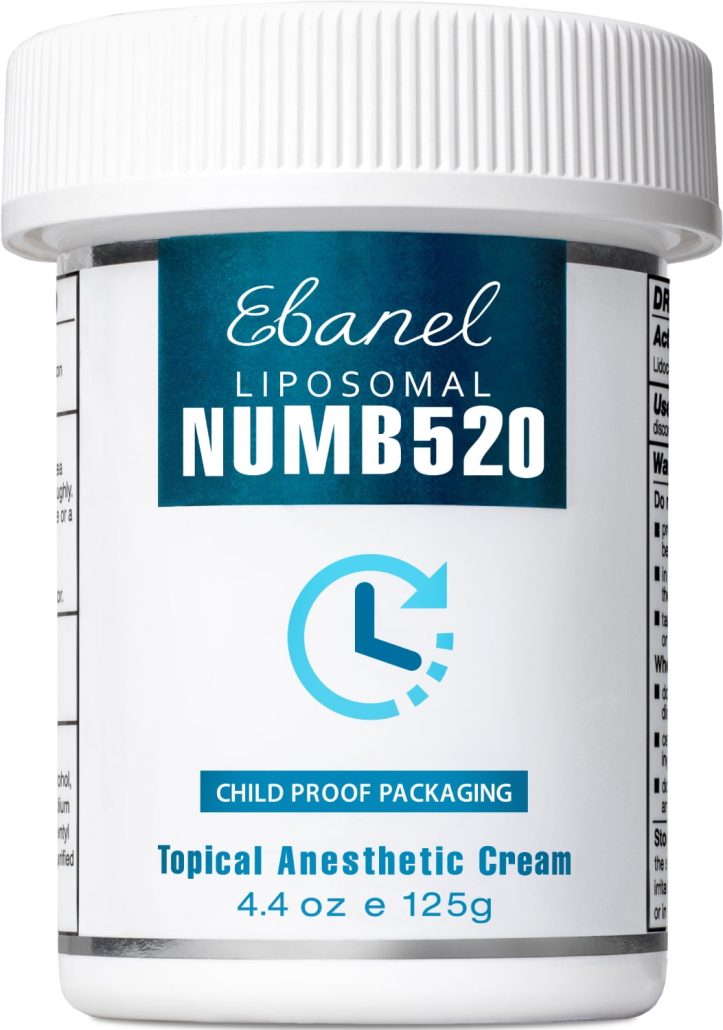
The first step is to try an over-the-counter numbing cream which usually contains up to 5% lidocaine. Prescription medications are also available that use more potent drugs, such as prilocaine, benzocaine, tetracaine, or a combination of a few. You can also supplement topical creams with oral pain relievers.
In short, my goal is not to scare you away but to openly and honestly identify this concern that many people have. If you have never had electrolysis before, you can schedule a short 30 minute treatment with me to determine your pain tolerance before scheduling longer sessions.